

Standard Pumps
Standard pumps are the centrifugal family used to transfer water and low-viscosity liquids. The catalog covers end-suction, monobloc, in-line, multistage, standardised (norm), thermal oil and submersible wastewater models.
-
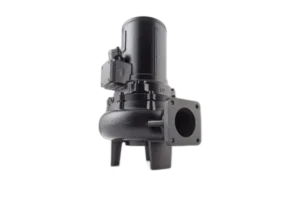 C Submersible Wastewater Pumps
- Flow Rate 1600 m³/h'ye kadar
- Discharge Head Up to 95 m
- Discharge Flange DN 50…DN 300 mm
-
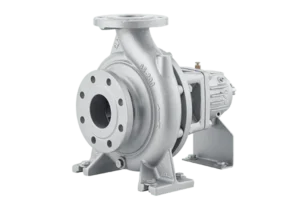 ECO SKY Air-Cooled Hot Oil Pumps
- Flow Rate Up to 550 m³/h
- Discharge Head Up to 105 m
- Cooling With air
-
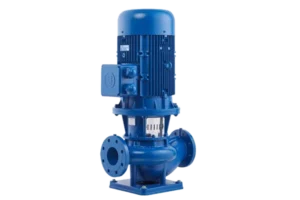 ECO SNL In-Line Pumps
- Flow Rate Up to 850 m³/h
- Discharge Head Up to 100 m
- Discharge Flange DN 40…DN 200 mm
-
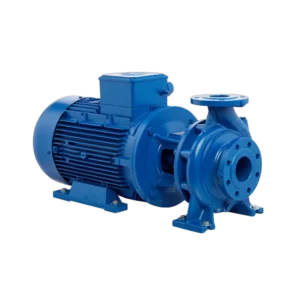 ECO SNM - ECO SNM-V Monoblock Horizontal/Vertical Centrifugal Pumps
- Flow Rate Up to 900 m³/h
- Discharge Head Up to 100 m
- Discharge Flange DN 32…DN 200 mm
-
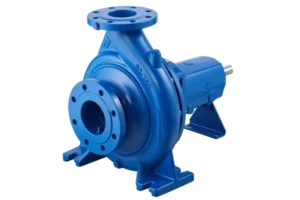 ECO SNT Single-Stage End-Suction Centrifugal Pumps
- Flow Rate 1200 m³/h'ye kadar
- Discharge Head Up to 160 m
- Discharge Flange DN 32…DN 250 mm
-
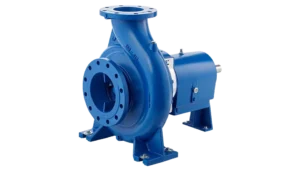 SCP TS EN ISO 2858 Standard Pumps
- Flow Rate 1500 m³/h'ye kadar
- Discharge Head Up to 160 m
- Discharge Flange DN 32…DN 250 mm
-
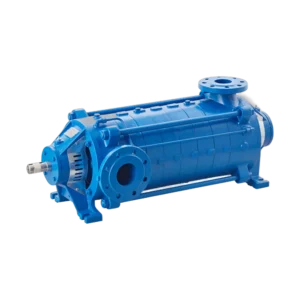 SKM Multistage Centrifugal Pumps
- Flow Rate 1000 m³/h'ye kadar
- Discharge Head Up to 550 m
- Design Type BB4
-
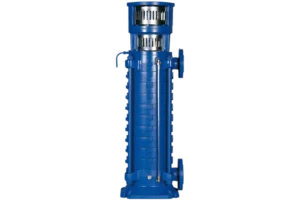 SKMV-H Multistage Pumps (Vertical Shaft)
- Flow Rate Up to 400 m³/h
- Discharge Head Up to 450 m
- Discharge Flange DN 32…DN 150 mm
There are no products matching your search on this page. Clear the filter or change the category.
About Standard Pumps
In a centrifugal pump, energy is transferred as the velocity imparted to the liquid by the rotating impeller is converted into pressure in the volute casing. When more head is needed the number of impellers is increased: in multistage models the liquid passes through impellers in sequence to reach far higher pressure at the same flow. In-line casings mount directly on the pipeline and save space.
Models in our catalog offer flow rates from 400 m³/h to 1,600 m³/h, heads from 95 m to 550 m and discharge flanges of DN 32–DN 300. Casing pressure ranges from 10 bar to 30 bar (63 bar); the operating temperature is -10 °C to +140 °C on standard series and reaches +350 °C on the thermal oil series. Thermal oil pumps are air-cooled and need no separate cooling water line.
Submersible wastewater models handle liquids containing solids and fibres with closed, semi-open and vortex impellers. The most common cause of failure in centrifugal pumps is cavitation; for correct suction line sizing and NPSH calculation, see our NPSH and cavitation guide.