

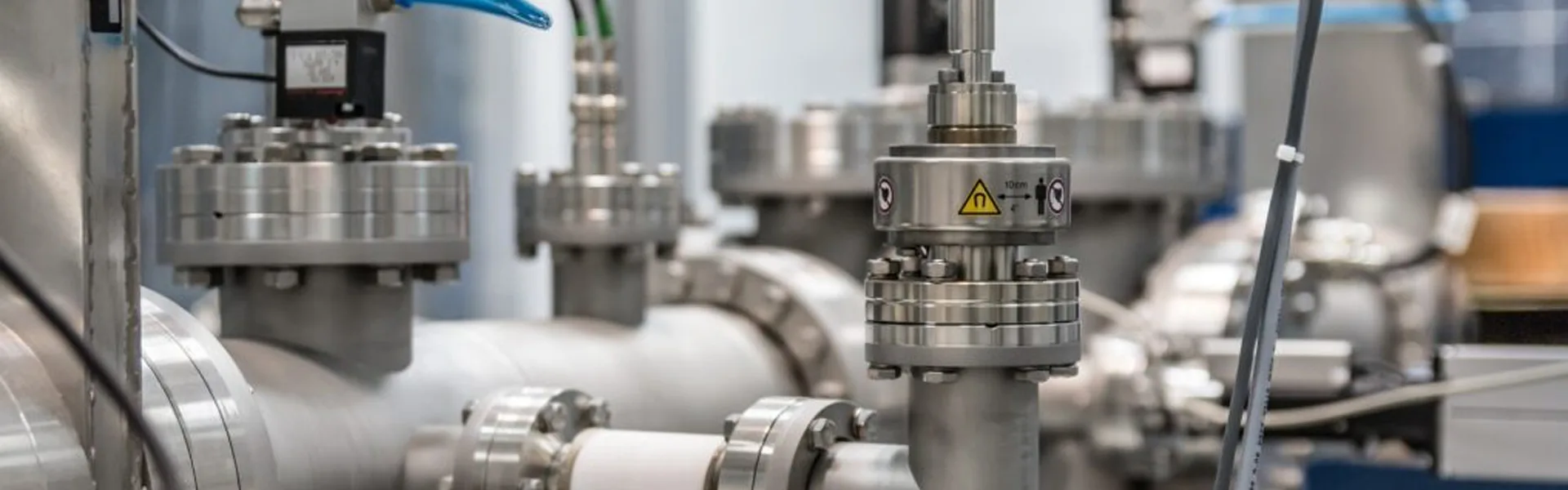
Magnetic Pumps
In magnetic drive pumps there is no mechanical connection between motor and impeller; motion is transmitted through a magnetic field and the fluid stays within a fully enclosed volume. The catalog includes thermoplastic, alloy and special-application pumps.
-
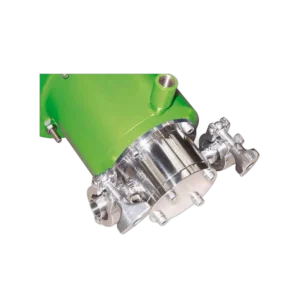 GPA-GPTA - Caster MPA/MTA
Explore
GPA-GPTA - Caster MPA/MTA
Explore
-
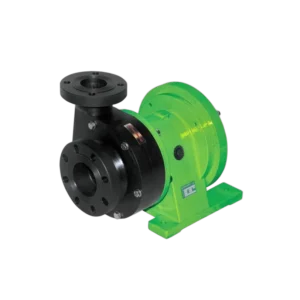 GPC Caster MCH/MC Centrifugal Pumps
- Flow Rate 50 Hz’de 110 m³/h; 60 Hz’de 130 m³/h
- Discharge Head 50 Hz’de 55 m (180 feet); 60 Hz’de 58 m (190 feet)
- Specific Gravity Up to 2 kg/dm³
-
 GPCA / GPCAV Pump for Liquid Metal
- Maximum Fluid Temperature 450 °C (842 °F)
-
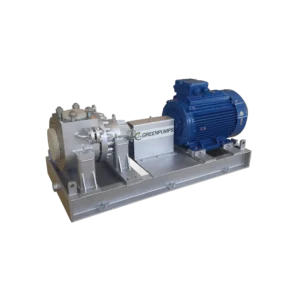 GPCA / GPTA Pump for High Pressure and High Temperature
- Maximum Temperature 350 °C (662 °F)
- Design Temperature 400 °C (752 °F)
- Maximum Pressure 250 bar (3626 PSI)
-
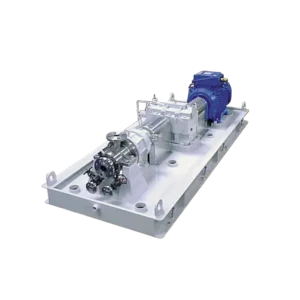 GPCTA - Caster MCTA
Explore
GPCTA - Caster MCTA
Explore
-
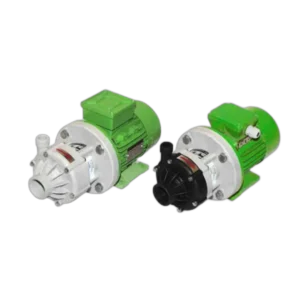 GPM Caster M Thermoplastic Magnetic Pumps
- Flow Rate 50 Hz’de 30 m³/saat; 60 Hz’de 40 m³/saat
- Discharge Head 50Hz’de 25 m (82 Ft), 60Hz’de 36 m (118 Ft)
- Temperature range For PVDF, between -10°C (14 °F) and 90°C (194°F)
-
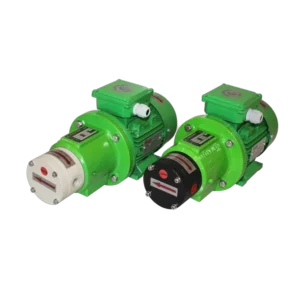 GPP Caster MP Volumetric Pallet Pumps
- Discharge Head 5 bar (72 PSI)
- Dry Start Dry start-up up to 2.5 m (8 feet) underwater
- For PVDF -30°C (-22 °F) to 50°C (122°F)
-
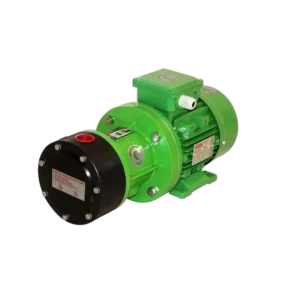 GPT Caster MT Regenerative Turbine Pumps
- Flow Rate 50 Hz'de 13 m³/saat; 60 Hz'de 14 m³/saat
- Discharge Head 50 Hz'de 60 m (200 Feet); 60 Hz'de 70 m (229 Feet)
- Temperature range For PVDF: -30°C (-22 °F) to 90°C (194°F)
-
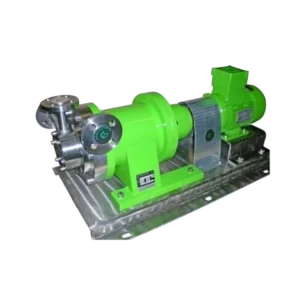 GPTA - Caster MTA
Explore
GPTA - Caster MTA
Explore
-
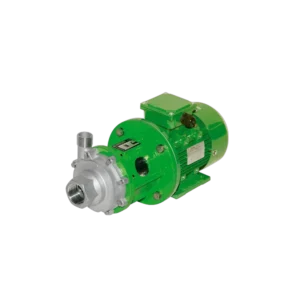 Casting Centrifugal Pumps
- Flow Rate 28 m³/h (102 GPM) @ 50 Hz / 40 m³/h (146 GPM) @ 60 Hz
- Pressure Up to 24 m (78 feet) @ 50 Hz / Up to 34 m (111 feet) @ 60 Hz
- Temperature Range Between -40°C (-40°F) and 200°C (392°F)
-
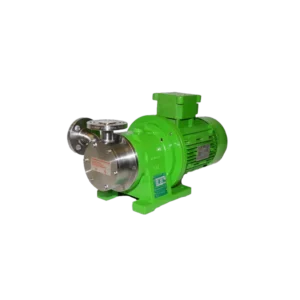 Regenerative Turbine Pumps
- Flow Rate up to 16 m³/h (70 GPM) @ 50 Hz / up to 17 m³/h (74 GPM) @ 60 Hz
- Discharge Head up to 200 m (656 feet) @ 50 Hz / up to 240 m (787 feet) @ 60 Hz
- Temperature Range Between -100°C (-150 °F) and 315°C (600°F)
-
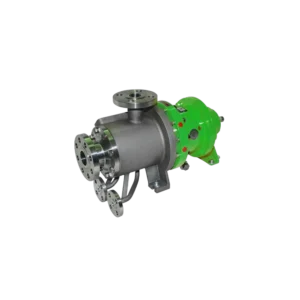 2/3-Stage Regenerative Turbine Pumps
- Flow Rate up to 14 m³/h (50 US gpm)
- Discharge Head up to 400 m (1200 feet)
- NPSH Required less than 1 m (3 feet)
-
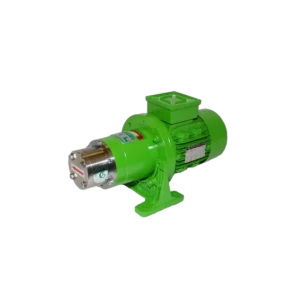 Variable-Displacement Pumps
- Flow Rate 2000 l/saat (7 GPM) @ 50 Hz / 2400 l/saat (9 GPM) @ 60 Hz
- Pressure Up to 13 bar (188 PSI)
- Temperature Range Between -70°C (-100°F) and 200°C (392°F)
-
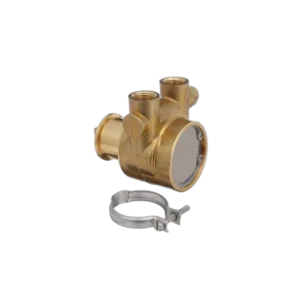 Hot Oil Gear Pumps
- Flow Rate 1600 l/saat’e kadar
- Pressure Up to 18 bar (261 PSI)
- Dry self-priming Up to 6 meters (20 feet) of water
-
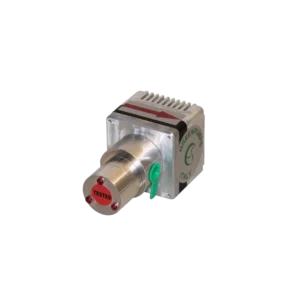 Magnetically Driven Gear Pumps
- Flow Rate Up to 190 l/h (0.7 GPM)
- Pressure Up to 9 bar (130 PSI)
- Dry self-priming Up to 8 meters (26 feet) of water
-
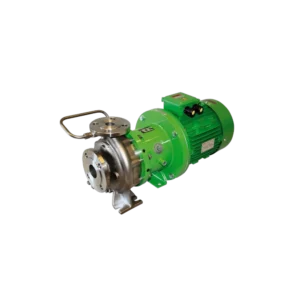 Centrifugal Pumps ISO 5199 / ISO 2858 / DIN 24256 / API 685
- Flow Rate 200 m³/h (733 GPM) @ 50 Hz / 250 m³/h (916 GPM) @ 60 Hz
- Pressure Up to 140 m (459 feet) @ 50 Hz / Up to 200 m (656 feet) @ 60 Hz
- Temperature Range Between -100°C (-148°F) and 315°C (599°F)
-
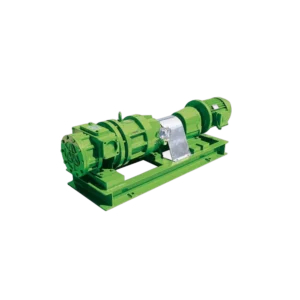 Oscillating Piston Pumps
- Flow Rate From 1 to 30 m³/h (3.6 to 110 GPM), at both 50 Hz and 60 Hz
- Pressure Up to 5 bar (72 PSI)
- Temperature Range Between -20°C (-4°F) and 120°C (248°F)
There are no products matching your search on this page. Clear the filter or change the category.
About Magnetic Pumps
The reason for the sealless design is that the shaft penetration is removed entirely. In conventional pumps the shaft seal is the most likely leak point; with a magnetic coupling the shaft never leaves the casing and the containment shell isolates the fluid from the environment. This is why they are chosen for transferring toxic, flammable, corrosive and odorous fluids, and in processes where leakage is unacceptable.
Models in our catalog offer flow rates between 2,000 l/h and 200 m³/h and discharge heads between 25 m and 400 m. System pressure is 4–16 bar on standard models and up to 450 bar on special designs. The temperature range depends on material: -30 °C to 90 °C for thermoplastic bodies, -100 °C to 315 °C for metallic and alloy series, and up to 450 °C in special applications. Specific gravity handled is up to 2 kg/dm³, with a viscosity limit around 2,000 cSt.
Two issues are critical with magnetic pumps: dry running and decoupling. Because the fluid also lubricates and cools, running dry wears the bushing quickly, and under overload the magnetic coupling loses synchronization. For selection criteria, the effect of containment shell material and preventive measures, see our magnetic drive pump guide, and for body material compatibility our chemical compatibility chart.