

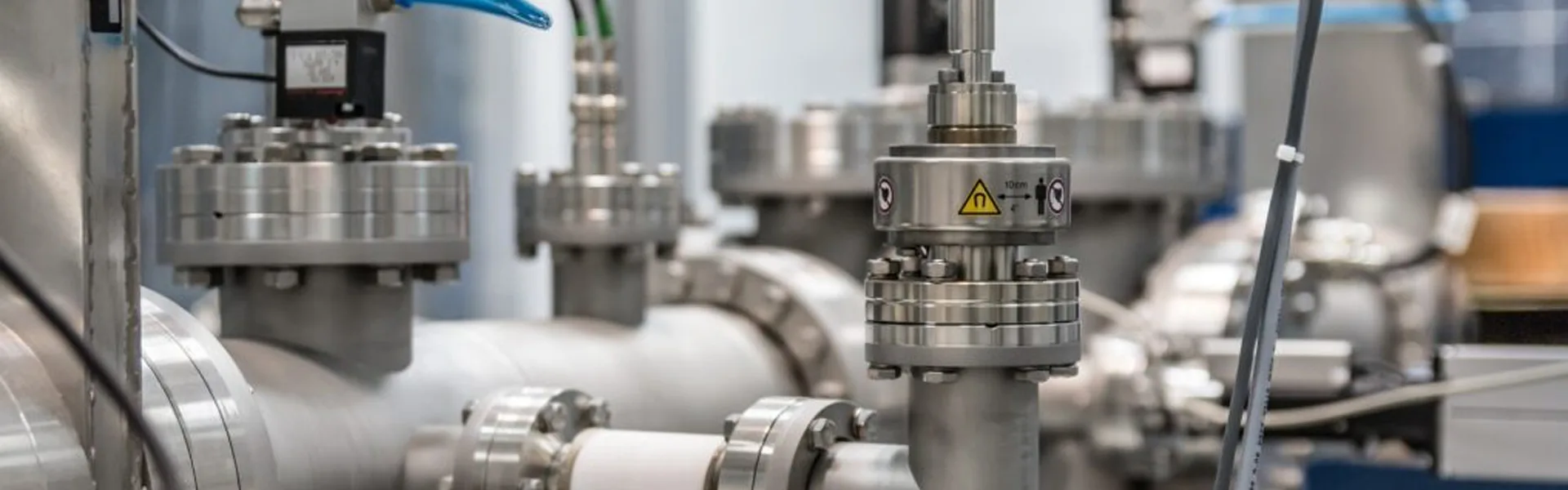
Liquid Ring Vacuum Pumps
Liquid ring vacuum pumps work by the service liquid being flung outward by the rotating impeller to form a ring inside the casing. Because they handle wet, dusty and vapour-laden gases without trouble, they are the classic solution of the process industry. The catalog covers water-circulated and oil-circulated units as well as booster systems.
-
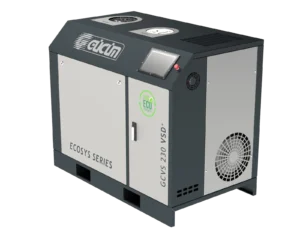 ECO-SYS Smart Liquid-Ring Vacuum Pump
Explore
ECO-SYS Smart Liquid-Ring Vacuum Pump
Explore
-
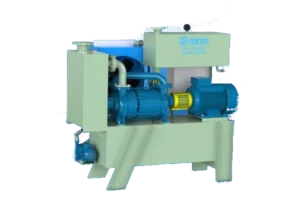 Gücüm Oil-Sealed Vacuum Units
- Attainable Absolute Pressure 10 mbar
- Circuit Oil circuit
-
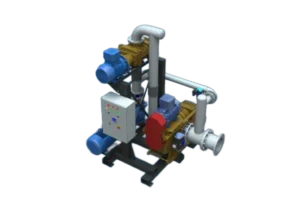 Gücüm Vacuum Booster Systems
- Attainable Absolute Pressure 1 – 5 mbar (two-stage booster system)
-
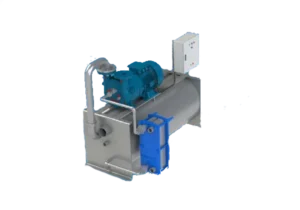 Gücüm Water-Cooled Vacuum Units
- Attainable Absolute Pressure 33 mbar (with 15 °C service water)
- Circuit Water circuit
-
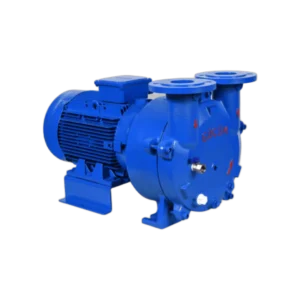 Monoblock Vacuum Pumps
- Pressure Range 33 – 1013 mbar (absolute)
- Motor Power 0.75 – 11 kW
- Suction Capacity 10 – 448 m³/h
-
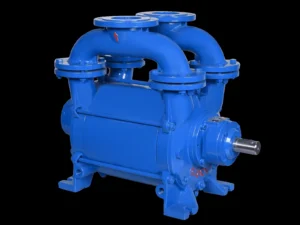 Single-Stage Vacuum Pumps
- Pressure Range 106 – 1013 mbar (absolute)
- Motor Power 15 – 90 kW
- Suction Capacity 450 – 3600 m³/h
-
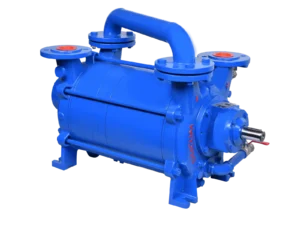 Two-Stage Vacuum Pumps
- Pressure Range 33 – 1013 mbar (absolute)
- Motor Power 3 – 30 kW
- Suction Capacity 30 – 860 m³/h
There are no products matching your search on this page. Clear the filter or change the category.
About Liquid Ring Vacuum Pumps
Since compression takes place inside the liquid ring the process is nearly isothermal; the gas does not overheat and vapour within it can condense. In wet applications such as drying, distillation, filtration and vacuum conveying this is a clear advantage over oil-sealed vane pumps. In return, the attainable vacuum is limited by the vapour pressure of the service liquid at its temperature — around 33 mbar with 15 °C service water.
Units in our catalog offer suction capacities from 10 m³/h to 3,600 m³/h with motor ratings of 0.75–90 kW. Single-stage, two-stage and monobloc constructions are available; the operating range is 33–1013 mbar absolute, dropping to 1–5 mbar on a two-stage booster system. The maximum permitted differential pressure is 1.1 bar, with gas temperature limits of 100 °C for saturated air and 200 °C for dry air. Noise level is in the 66–85 ±3 dB(A) range.
Oil-circulated units eliminate water consumption and scaling, operating down to 10 mbar absolute. For which vacuum technology is right for which process, see our vacuum pump selection guide.